Junk Hauling in Redding, CA
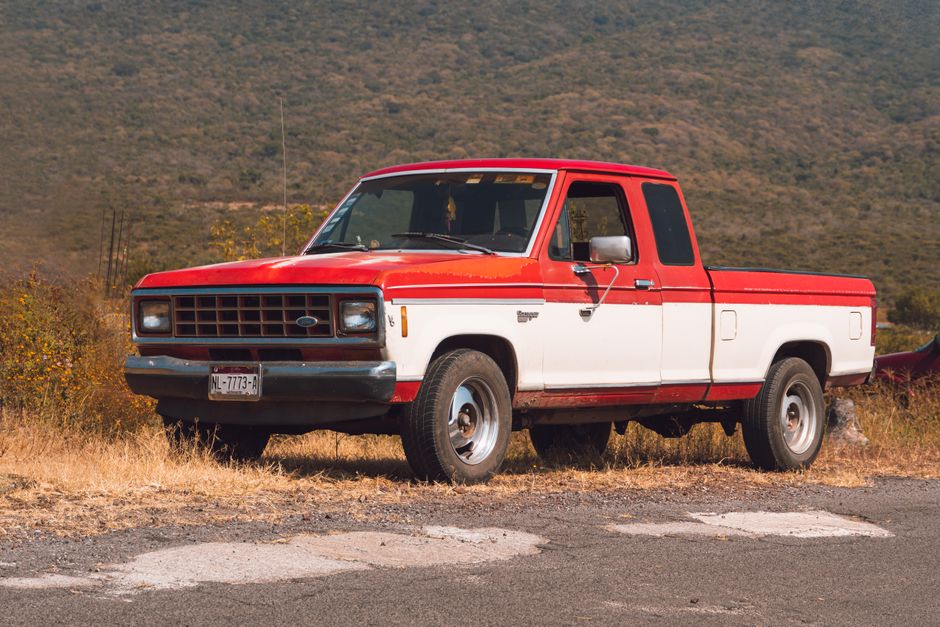
Notes on junk removal in Redding, CA: how refrigerant appliances, mattresses and e waste are sorted and where each load goes in Shasta County.
What We Cover
- How to Judge a Junk Hauler Before Appliances and Mattresses Go on the Truck Questions that show whether a hauler separates recyclables, keeps weight tickets and knows what the transfer station accepts.
- What Counts as E Waste When Clearing a Redding Home Which electronics need separate handling, why old tube televisions are heavy, and how e waste is kept out of the landfill load.
- Clearing Appliances and Debris From a Burned Lot After the Carr Fire How melted and fire-damaged appliances are loaded and separated from ash, glass and scorched metal on burn-scar lots.
- Where Mattresses and Box Springs Go After Pickup in Shasta County What a mattress recycler separates, why a wet or bug-infested mattress changes the handling, and how to stage one for a haul.
- What Happens to an Old Refrigerator Hauled Out in Redding How refrigerant is recovered from a fridge or freezer before it goes to scrap, and why that rule shapes every haul in Redding.
- Hauling Away a Washer, Dryer or Stove From an Older Redding House How heavy appliances are disconnected, moved down steps and sorted into scrap metal, with gas and water line notes.
Junk Hauling in Redding, CA
Junk hauling in Redding, CA starts with sorting, not lifting. A garage in Enterprise or a rental near Simpson University holds several kinds of material at once: scrap steel, foam bedding, dead electronics and loose trash. Each goes to a different place, and a good haul keeps them apart from the first armload to the last strap on the trailer.
What goes on the truck first
Heavy items load first and low. Appliances ride upright along the front wall of the box truck, and anything with a refrigerant line stays uncrushed. Mattresses and box springs go in last so they stay dry, and electronics sit in their own bin. A dump trailer is tarped before it leaves the driveway, because loose debris on Interstate 5 or State Route 44 is a hazard to everyone behind it.
Where the load ends up
Shasta County has a transfer station and a landfill, plus scrap yards and recyclers for metal, e waste and appliances. A weight ticket from each stop records what was dropped and when. The tipping fee follows the scale, so a clean, separated load is cheaper to dispose of than a mixed one.
Local ground and local weather
Redding bakes through summer and soaks through winter, and both change the work. Heat turns a forgotten freezer into a problem in a day, and rain turns a mattress left outside into dead weight. Cleanups near Shasta Lake and Keswick Dam, including lots still being rebuilt after the Carr Fire, bring steep drives and mixed debris that need a roll off dumpster or a dump trailer.
Guides
The pages here cover refrigerator disposal and refrigerant recovery, mattress and box spring recycling, e waste, washer, dryer and stove removal, clearing appliances from burned lots, and the questions worth asking before a hauler loads anything.
Latest Guides

Odd Appliances and Refrigerant Questions From Redding Homes
Appliances that are not a standard refrigerator or washer raise the most questions at a Redding curb. Dehumidifiers, water heaters, window units and microwaves each have their own rule, and the rule usually comes from what is inside. The answers below cover the ones that come up most often, in plain terms and without any guesswork about local fees.
Does a window air conditioner count as a refrigerant appliance?
A window air conditioner counts, because it holds a sealed refrigerant system just like a refrigerator. The compressor and coils carry the charge, and the refrigerant must be recovered before the unit is scrapped. A hauler who takes one should treat it the same way as a fridge: upright on the truck, strapped, and delivered to a recycler who handles refrigerant. Wall sleeve units and portable units follow the same logic. Swamp coolers, which use water and a fan, carry no refrigerant at all and go with regular metal scrap.
Summers in Redding run long and hot, so window units are common, and they tend to be discarded in batches in autumn. A garage with three or four of them stacked in a corner is a normal sight. The crew loads them upright to protect the compressor oil and keeps them away from the heavy items that might crush the fins.
What happens to a dehumidifier?
A dehumidifier is a small refrigeration unit with a water tank. The refrigerant is in the coil, and the same recovery rule applies as for a window unit. The tank and any hose are emptied and dried first, since standing water in a truck bed makes a mess and rusts the steel around it. Plastic housings are separated by the recycler after the refrigerant comes out. Many people assume a dehumidifier is just a fan with a bucket, and that is the reason so many arrive at transfer stations with their lines already cracked.
Can a water heater go in the same load?
A water heater goes into the scrap metal stream, not the appliance one. A standard tank is steel with foam insulation and an inner glass lining, and no refrigerant. It does carry water, which has to be drained completely before moving. A full forty gallon tank weighs over three hundred pounds, and a drained one weighs a fraction of that. The drain valve is opened, the supply lines are shut and disconnected, and for a gas unit the burner line is capped. Heat pump water heaters are different: they hold refrigerant and belong with the appliance pile.
Older tanks sit in tight closets or garage corners, and the haul out needs a dolly and sometimes two people. The tank is wrapped or strapped so the anodes and fittings do not scrape the doorframe.
Is a microwave e waste?
A microwave is e waste in practice, because it contains a circuit board, a transformer and a magnetron. Most electronics recyclers take them, and a hauler keeps them with the other electronics rather than with the scrap. A transformer inside can hold a charge in the capacitor even when the unit is unplugged, so no one opens the case. Over-the-range models are heavier than they look and come down with their mounting bracket still attached.
What about a chest freezer that has been unplugged for months?
A chest freezer that has sat unplugged still holds refrigerant, and it often holds a smell that gets worse with each warm week. Before the haul, the lid is opened, the interior wiped and the drain plug pulled. Door seals on older units may have mildew, which a bleach-free cleaner takes off. The freezer is carried upright whenever possible. A unit with a locked lid is a hazard for children and animals, so the latch is removed or the lid is taped open until pickup.
Do gas appliances need anything special?
Gas stoves, dryers and water heaters have a supply line that must be shut at the wall valve and capped before the appliance moves. Homes in older parts of Redding sometimes have seized shutoff valves, and a stuck valve stays closed until a plumber replaces it. Forcing a valve is outside any haul, and a leaking fitting is dangerous. Electric appliances only need to be unplugged, and a four prong dryer cord gets coiled and tied so it does not trail under the dolly.
Who takes old televisions and monitors?
Electronics recyclers take them, including tube sets that hold leaded glass. A tube television is heavy, usually forty pounds or more for a modest screen, and it has to be carried with care. Flat panels are lighter but crack under pressure. Both ride in a separate bin or blanket, and neither goes into the trash stream at the transfer station. A weight ticket from the recycler shows the load reached the right place.
Are fluorescent tubes and bulbs part of this?
Fluorescent tubes and compact fluorescent bulbs contain a small amount of mercury, and they go to household hazardous waste collection, not the garage pile. Standard incandescent and LED bulbs can be recycled with e waste or thrown out depending on the operator. A shop garage in Enterprise often has a long shelf of old tubes, and the best move is to box them with the ends padded and take them to the county program in one trip.
What about a pile of small kitchen appliances?
Toasters, blenders, coffee makers, mixers and rice cookers are small electrical appliances. Most recyclers treat them as e waste, and some scrap yards take them with metal. A shoebox sized pile can ride in a bin on the truck, bagged to stop cords from tangling. Anything with a heating element and a cord is accepted, and anything with food residue gets a quick rinse first.
Do any appliances need a special container?
Few need a container beyond a good box. Glass shelves from a refrigerator go in a sturdy box with cardboard dividers. Lithium batteries from tools and vacuums go in a separate bag, taped at the terminals. Loose screws, knobs and small parts go in a bucket so they do not roll under the load. A roll off dumpster is used only when the volume of mixed debris justifies it, not for appliances, because a dumpster's open top mixes everything together.
How does a hauler keep track of where it all went?
A hauler keeps weight tickets from each stop. The ticket for the appliance recycler, the one for the scrap yard and the one for the transfer station tell the full story of the load. Photos of items loaded and items unloaded add to the record. A customer who wants proof asks for these before the truck leaves, because tickets are easy to keep when the stops are fresh and hard to rebuild days later.
Is there a difference between a transfer station and a landfill?
A transfer station is a collection point where trucks unload, loads are checked and materials are sorted for the next leg. A landfill is the final burial site. In Shasta County, most household loads stop at the transfer station first, where the tipping fee is charged by weight and recyclable items are directed to their own bays. Appliances with refrigerant, electronics and bedding each get a separate bay. A load that arrives sorted passes through quickly, and a mixed load waits in line while someone sorts it by hand.
The common thread in all of these answers is plain: find out what is inside the machine, and the route follows from that.
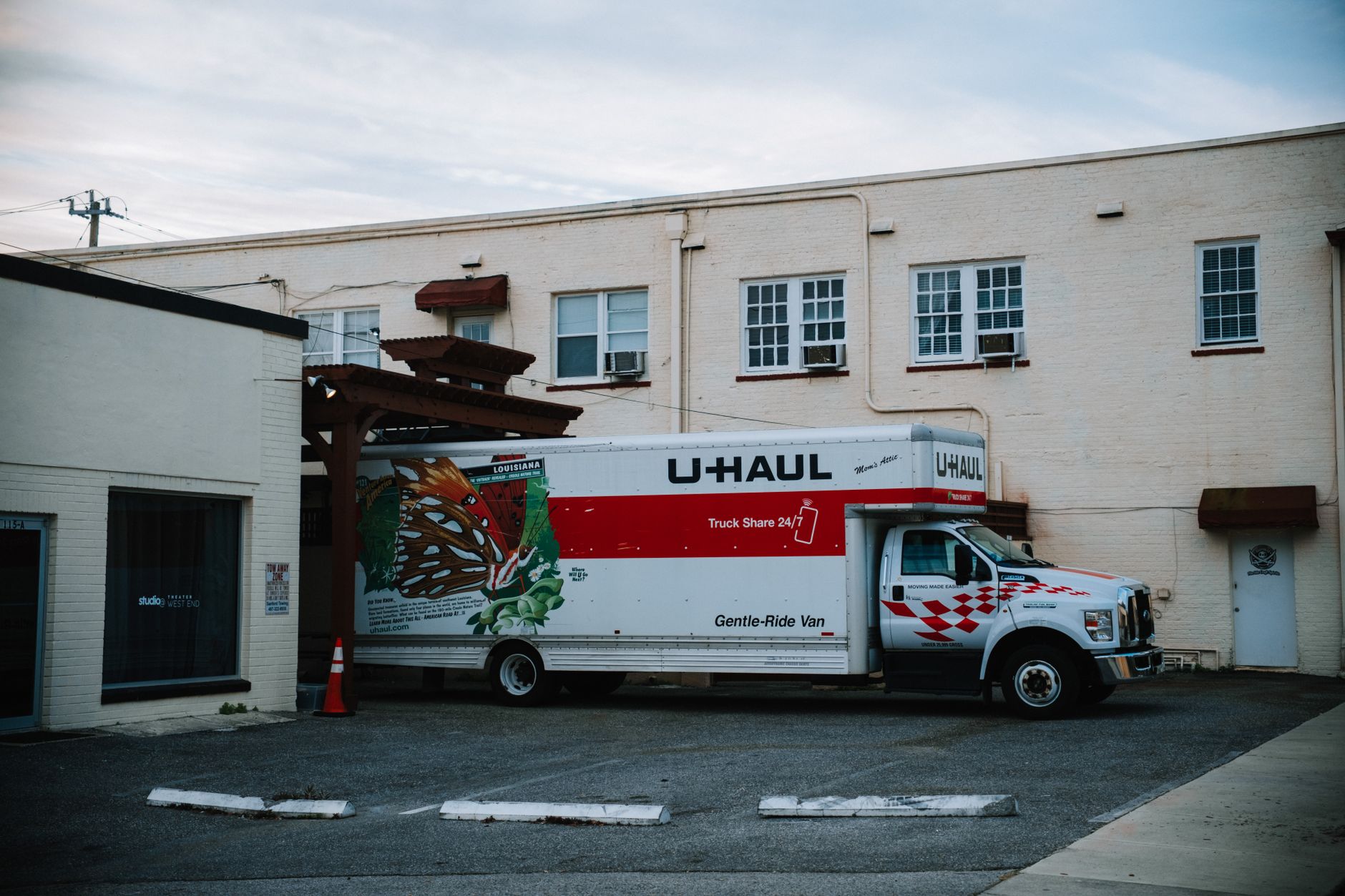
Sorting a Mixed Garage Load Before a Haul in Redding
Why does a mixed pile need sorting before it moves?
A mixed pile needs sorting because every stop that takes it in Shasta County charges, refuses or recycles by material, not by the truckload. A transfer station weighs a load and applies its tipping fee to the scale reading. A scrap yard pays for clean steel and turns away anything with a motor full of oil. An electronics recycler wants circuit boards in a bin, not buried under drywall. When all of it arrives in one heap, the sorting happens at the gate, in a hurry, with a line of trucks behind, and the cost of that haste lands on the load.
The easiest sorting happens on the garage floor itself, days before a truck shows up. Five piles cover almost every Redding cleanout: metal, appliances with refrigerant, electronics, bedding and soft goods, and plain trash. A sixth pile for yard waste is needed whenever brush, fence boards or cut limbs are involved. Every item gets one pile. If an item fits two, such as a metal bed frame with a foam mattress, the pieces get separated and the pile of each is chosen on its own merits.
What does each pile become?
The table below lays out where the common materials in a Redding garage end up. Drop points differ a little from one operator to the next, so treat it as a starting layout and confirm each stop's intake rules before loading.
| Pile | Typical contents | Where it goes | What to watch |
|---|---|---|---|
| Metal | Steel shelving, bed frames, bicycle frames, pipe, wire, lawn equipment with fuel drained | Scrap yard | Fuel and oil drained, plastic and wood removed where easy |
| Appliances with refrigerant | Refrigerators, freezers, window air conditioners, dehumidifiers | Appliance recycler | Cooling lines left intact, doors off or taped |
| Other large appliances | Washers, dryers, stoves, dishwashers | Scrap yard | Gas and water lines capped |
| Electronics | Televisions, monitors, printers, towers, game consoles, batteries | Electronics recycler | Tube sets kept upright, batteries bagged apart |
| Bedding | Mattresses, box springs, foam toppers | Mattress recycler | Dry, wrapped, no infestation |
| Yard waste | Brush, cut limbs, fence boards, leaves | Green waste site | No treated lumber mixed in |
| Trash | Broken furniture, carpet, torn bags, mixed debris | Transfer station and landfill | Weighed on the scale, charged by weight |
How does the metal pile work?
Scrap yards buy metal by weight and by type, so clean steel, aluminium and copper are worth keeping apart. A steel shelf unit with plywood shelves still counts as steel after the boards come off, and removing them takes two minutes with a drill. Wire gets coiled and tied. Lawn mowers and trimmers arrive with the gas tank empty and the oil drained, because yards do not accept tanks with fuel in them. Propane cylinders are refused almost everywhere and have to go to a dedicated exchange or hazardous waste event, not into a metal pile.
Weights add up fast. A pile that looks like a few armloads of old pipe and brackets can pass two hundred pounds, which matters for a truck that also holds a mattress and a water heater. Loading the metal on the floor of the truck and strapping it to the front wall keeps the center of gravity low on the grade toward Shasta Lake.
What makes the refrigerant pile different?
Anything that cools holds refrigerant, and that includes more than refrigerators. Window air conditioners, dehumidifiers, water dispensers, wine coolers and chest freezers each carry a sealed system. The refrigerant has to be recovered by a certified party, and the cooling lines need to reach that party unbroken. That is why these items get their own pile and their own place on the truck: upright, strapped, with nothing heavy stacked on them.
The pile also gets an extra step in July and August. Redding passes one hundred degrees for long stretches, and a chest freezer full of old food turns the whole garage sour within a day. Food comes out in sealed bags, the interior gets wiped, and the lid is propped open or taped so it does not trap smell on the road.
How should electronics be handled?
E waste leaves a Redding house in a separate bin because disposal sites want it unloaded apart from regular trash. The pile covers televisions, monitors, computers, printers, cables, chargers, small speakers and rechargeable batteries. Tube televisions are the heavy ones, and they hold leaded glass. Flat panels crack under pressure, so nothing gets stacked on them. Lithium batteries are taped at the terminals and bagged on their own, since a crushed cell can start a fire in a compacted load.
Old drives and phones carry personal data. A hauler does not wipe them. A drive that matters leaves the house with its owner or gets destroyed before the pile is built.
What about bedding and soft goods?
Mattresses and box springs are recycled into foam, steel and wood when they are dry and clean. A mattress that sat in a carport through a wet winter is usually a landfill load. Wrapping bedding in plastic before it moves keeps it clean and, in an infested house, keeps pests from spreading across the hallway. Pillows, cushions and carpet are different: they rarely have a recycling stream and go to the landfill, where the tipping fee counts them by weight.
Where does yard waste fit?
Brush and cut limbs go to a green waste site, which takes clean plant material and refuses anything treated or painted. A pile of old fence boards mixed with branches ends up in the trash stream if the boards are treated lumber. The fix is simple: boards in one stack, branches in another, and a hand check of nails and paint before loading. A roll off dumpster at a bigger cleanout gets a dedicated end for yard waste so it does not soak up water and add weight to the rest.
How does a dump trailer or box truck change the plan?
A box truck protects dry goods from weather and has a flat floor for appliances and mattresses. A dump trailer handles heavy, wet or dirty debris and unloads fast, though everything inside sees the same rain and road dust. A cleanout of mixed material often runs both: the box truck carries appliances, electronics and bedding, and the dump trailer takes metal, trash and brush. Splitting the load that way means each stop sees only the material it accepts, and each drop produces its own weight ticket.
Tickets matter more than they look. A weight ticket records the weight, the date and the drop point. When a load is split by material, the tickets show exactly where each part went. Without them, there is no record of whether a refrigerator reached a recycler or a field.
What turns a sorted pile back into a mixed one?
Three things undo a sorted garage: loading in the wrong order, tarps that leak, and a truck that gets overfull. The wrong order buries bedding under metal. A leaking tarp wets mattresses and cardboard and turns clean loads into landfill loads. An overfull truck forces a crew to dump items in a convenient spot instead of the right one. A short walk-through before leaving the driveway, with a look at what is on the truck and where it sits, catches all three.
Is anything refused outright?
Several items are refused at nearly every stop in the Redding area. Paint and solvents, propane tanks, pesticides, car batteries and fluids, medical waste and anything that smells of gas fall under household hazardous waste, which has its own county program. Asbestos containing material needs a licensed process. Keeping these items out of the pile avoids a turnaround at the gate and the extra trip it forces. If a garage has any of them, they get set aside on a separate shelf and handled through the county, not through the truck.
After the sorting is done, the cleanout becomes a set of short, predictable trips. Each pile has a place, each stop has a rule, and the only surprise left is the weight on the scale.