Sorting a Mixed Garage Load Before a Haul in Redding
Why does a mixed pile need sorting before it moves?
A mixed pile needs sorting because every stop that takes it in Shasta County charges, refuses or recycles by material, not by the truckload. A transfer station weighs a load and applies its tipping fee to the scale reading. A scrap yard pays for clean steel and turns away anything with a motor full of oil. An electronics recycler wants circuit boards in a bin, not buried under drywall. When all of it arrives in one heap, the sorting happens at the gate, in a hurry, with a line of trucks behind, and the cost of that haste lands on the load.
The easiest sorting happens on the garage floor itself, days before a truck shows up. Five piles cover almost every Redding cleanout: metal, appliances with refrigerant, electronics, bedding and soft goods, and plain trash. A sixth pile for yard waste is needed whenever brush, fence boards or cut limbs are involved. Every item gets one pile. If an item fits two, such as a metal bed frame with a foam mattress, the pieces get separated and the pile of each is chosen on its own merits.
What does each pile become?
The table below lays out where the common materials in a Redding garage end up. Drop points differ a little from one operator to the next, so treat it as a starting layout and confirm each stop's intake rules before loading.
| Pile | Typical contents | Where it goes | What to watch |
|---|---|---|---|
| Metal | Steel shelving, bed frames, bicycle frames, pipe, wire, lawn equipment with fuel drained | Scrap yard | Fuel and oil drained, plastic and wood removed where easy |
| Appliances with refrigerant | Refrigerators, freezers, window air conditioners, dehumidifiers | Appliance recycler | Cooling lines left intact, doors off or taped |
| Other large appliances | Washers, dryers, stoves, dishwashers | Scrap yard | Gas and water lines capped |
| Electronics | Televisions, monitors, printers, towers, game consoles, batteries | Electronics recycler | Tube sets kept upright, batteries bagged apart |
| Bedding | Mattresses, box springs, foam toppers | Mattress recycler | Dry, wrapped, no infestation |
| Yard waste | Brush, cut limbs, fence boards, leaves | Green waste site | No treated lumber mixed in |
| Trash | Broken furniture, carpet, torn bags, mixed debris | Transfer station and landfill | Weighed on the scale, charged by weight |
How does the metal pile work?
Scrap yards buy metal by weight and by type, so clean steel, aluminium and copper are worth keeping apart. A steel shelf unit with plywood shelves still counts as steel after the boards come off, and removing them takes two minutes with a drill. Wire gets coiled and tied. Lawn mowers and trimmers arrive with the gas tank empty and the oil drained, because yards do not accept tanks with fuel in them. Propane cylinders are refused almost everywhere and have to go to a dedicated exchange or hazardous waste event, not into a metal pile.
Weights add up fast. A pile that looks like a few armloads of old pipe and brackets can pass two hundred pounds, which matters for a truck that also holds a mattress and a water heater. Loading the metal on the floor of the truck and strapping it to the front wall keeps the center of gravity low on the grade toward Shasta Lake.
What makes the refrigerant pile different?
Anything that cools holds refrigerant, and that includes more than refrigerators. Window air conditioners, dehumidifiers, water dispensers, wine coolers and chest freezers each carry a sealed system. The refrigerant has to be recovered by a certified party, and the cooling lines need to reach that party unbroken. That is why these items get their own pile and their own place on the truck: upright, strapped, with nothing heavy stacked on them.
The pile also gets an extra step in July and August. Redding passes one hundred degrees for long stretches, and a chest freezer full of old food turns the whole garage sour within a day. Food comes out in sealed bags, the interior gets wiped, and the lid is propped open or taped so it does not trap smell on the road.
How should electronics be handled?
E waste leaves a Redding house in a separate bin because disposal sites want it unloaded apart from regular trash. The pile covers televisions, monitors, computers, printers, cables, chargers, small speakers and rechargeable batteries. Tube televisions are the heavy ones, and they hold leaded glass. Flat panels crack under pressure, so nothing gets stacked on them. Lithium batteries are taped at the terminals and bagged on their own, since a crushed cell can start a fire in a compacted load.
Old drives and phones carry personal data. A hauler does not wipe them. A drive that matters leaves the house with its owner or gets destroyed before the pile is built.
What about bedding and soft goods?
Mattresses and box springs are recycled into foam, steel and wood when they are dry and clean. A mattress that sat in a carport through a wet winter is usually a landfill load. Wrapping bedding in plastic before it moves keeps it clean and, in an infested house, keeps pests from spreading across the hallway. Pillows, cushions and carpet are different: they rarely have a recycling stream and go to the landfill, where the tipping fee counts them by weight.
Where does yard waste fit?
Brush and cut limbs go to a green waste site, which takes clean plant material and refuses anything treated or painted. A pile of old fence boards mixed with branches ends up in the trash stream if the boards are treated lumber. The fix is simple: boards in one stack, branches in another, and a hand check of nails and paint before loading. A roll off dumpster at a bigger cleanout gets a dedicated end for yard waste so it does not soak up water and add weight to the rest.
How does a dump trailer or box truck change the plan?
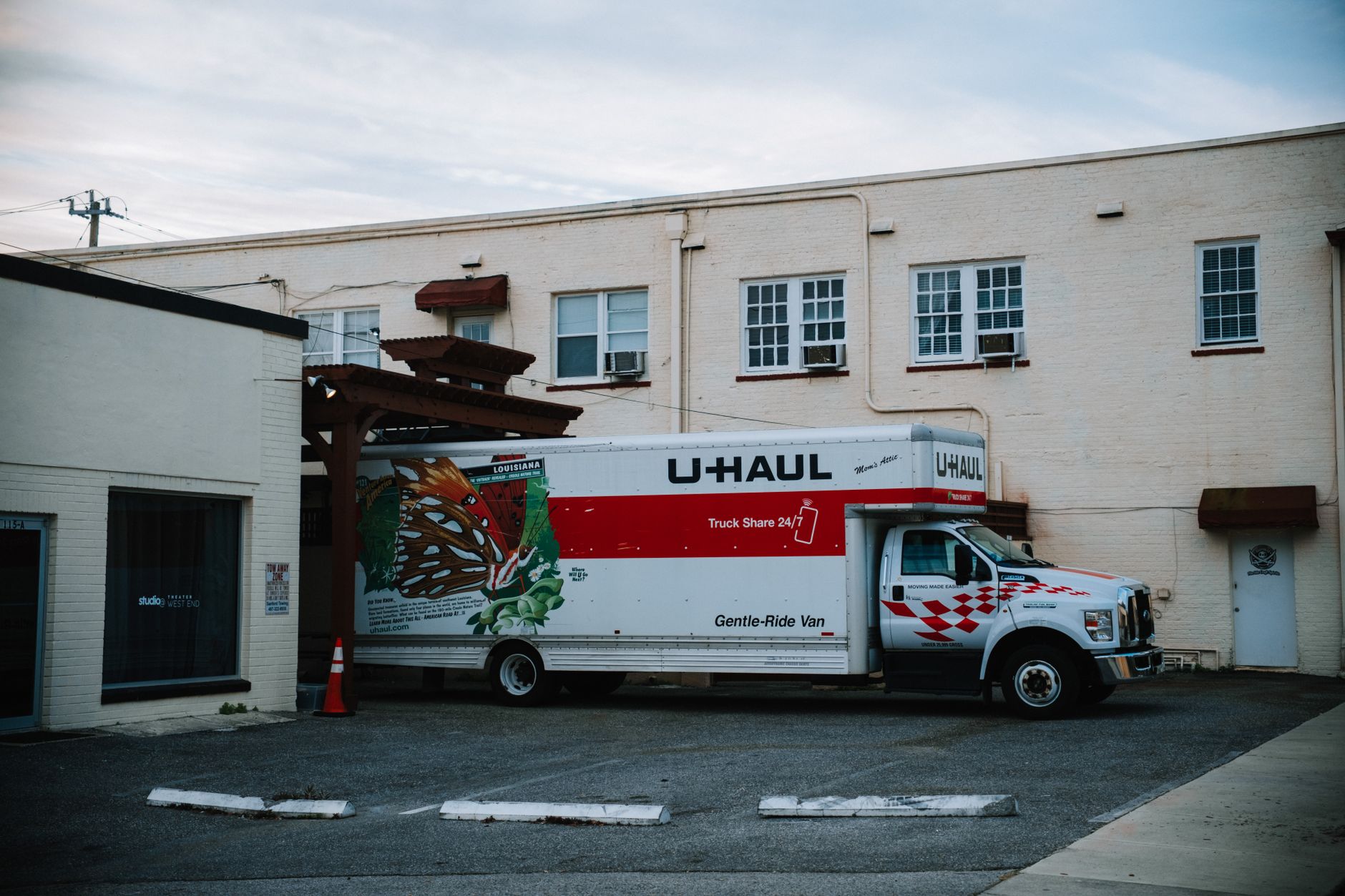
A box truck protects dry goods from weather and has a flat floor for appliances and mattresses. A dump trailer handles heavy, wet or dirty debris and unloads fast, though everything inside sees the same rain and road dust. A cleanout of mixed material often runs both: the box truck carries appliances, electronics and bedding, and the dump trailer takes metal, trash and brush. Splitting the load that way means each stop sees only the material it accepts, and each drop produces its own weight ticket.
Tickets matter more than they look. A weight ticket records the weight, the date and the drop point. When a load is split by material, the tickets show exactly where each part went. Without them, there is no record of whether a refrigerator reached a recycler or a field.
What turns a sorted pile back into a mixed one?
Three things undo a sorted garage: loading in the wrong order, tarps that leak, and a truck that gets overfull. The wrong order buries bedding under metal. A leaking tarp wets mattresses and cardboard and turns clean loads into landfill loads. An overfull truck forces a crew to dump items in a convenient spot instead of the right one. A short walk-through before leaving the driveway, with a look at what is on the truck and where it sits, catches all three.
Is anything refused outright?
Several items are refused at nearly every stop in the Redding area. Paint and solvents, propane tanks, pesticides, car batteries and fluids, medical waste and anything that smells of gas fall under household hazardous waste, which has its own county program. Asbestos containing material needs a licensed process. Keeping these items out of the pile avoids a turnaround at the gate and the extra trip it forces. If a garage has any of them, they get set aside on a separate shelf and handled through the county, not through the truck.
After the sorting is done, the cleanout becomes a set of short, predictable trips. Each pile has a place, each stop has a rule, and the only surprise left is the weight on the scale.